Success is in the right genetics!
Currency

Please confirm you are 18+ years old, and that using offered products is legal in your country.
 585-842-7333
 249-438-7333
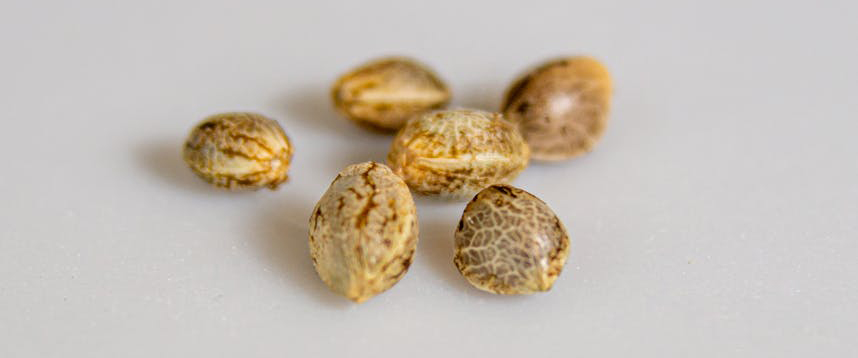
Before buying weed seeds in Canada, consider the five key factors highlighted below to help you make an informed, safe, and successful purchase and maximize your chances of a bountiful harvest.
In provinces where you can legally grow cannabis, you can purchase seeds from licensed retailers. These include government websites, dispensaries and seed banks. Seed banks offer the most variety, allowing you to find weed seeds matching your preferences and growing needs.
Shopping at unlicensed distributors is illegal and can result in poor-quality products. Since they aren’t regulated, there is no way to guarantee the safety of your purchase or the correct/complete strain information.
Feminized Seeds: This type is most common for at-home growers as it has been genetically altered to produce only female cannabis plants. Female plants produce buds that can be harvested for consumption, whereas male plants produce pollen.
Regular Seeds: These seeds have not been altered, so it is unknown if they will grow into male or female plants until they begin flowering.
Autoflower Feminized Seeds: Consider this seed if you are a beginner grower or live in a climate with inconsistent sunlight. They are bred to flower based on age instead of the amount of light/darkness they receive.
CBD is non-psychoactive and does not produce a high on its own.
THC is psychoactive and does produce a high when consumed.
Indica Strains are often more CBD-dominant and are generally associated with a more relaxed full-body effect.
Sativa Strains are often more THC-dominant and are generally associated with a head high that provides a happy and social effect.
Hybrid Strains are typically a balance of THC and CBD and are generally associated with a mix of indica and sativa effects, depending on the ratios.
If you plan to grow your weed plant outside, you will want to aim for early spring (when there is no more frost). This means you should begin germinating the seed about 3-7 days before you want to plant.
Many experienced growers will begin the process a few weeks early and plant the germinated seed in an indoor pot. This allows the plant to develop bigger roots and a thicker stem before moving it outside.
If you prefer a popular strain, contact the seed bank or monitor their site for re-stock. Some strains sell out fast, so subscribe for restock updates to avoid missing out.
Be on the lookout for promotions or bulk purchase discounts from seed banks. Often around holidays or common discount times (like Boxing Day), there will be reduced or promotional pricing.
Humidity: You want to ensure a low-humidity environment to prevent early/unwanted germination.
Airtight Sealed Container: When possible, keep your weed seeds in their original packaging, which will have an airtight seal. Plastic baggies are a great alternative; just ensure you get all the air out before sealing them.
Cool Temperatures: To avoid significant temperature shifts, always choose a location with a relatively stable temperature. A cupboard works if you plan to germinate your weed seeds relatively soon; otherwise, a refrigerator is a good option (ideally, one that is not opened often to avoid temperature changes).
Darkness: Avoid exposing your weed seeds to light; you want to store them in a dark environment or a container.
A reminder to always keep your seeds and other cannabis products safe from pets and children.
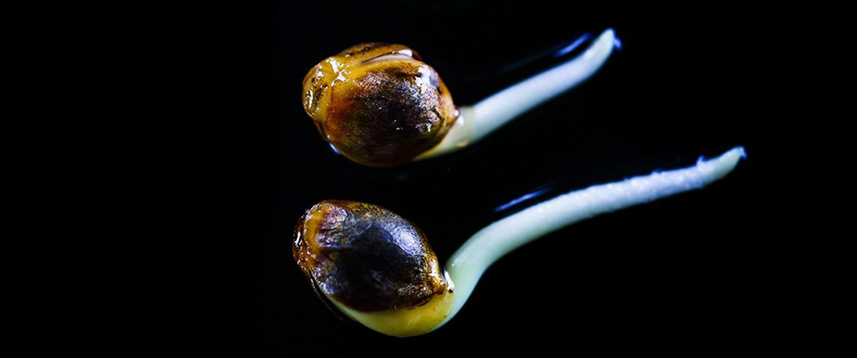
One of the most common forms of germination for weed seeds is the paper towel method. This involves placing the seed between two moist paper towels and storing it in a warm, dark place. You should check on the seeds daily to ensure the paper towels stay moist and look for the emergence of the taproot.
Another popular method is direct-to-soil. In this method, you plant the seed directly into and gently cover it with moist soil (about 1-2 cm deep). Like the paper towel method, you want to ensure the soil stays moist (not wet) and watch for the seedlings to sprout through the soil.
The Cannabis Act (2018) made it legal to grow marijuana plants at home for personal consumption. Regulations include a limit of 4 plants per household (not per person), and all seeds must be purchased through a licensed retailer.
Currently, in Manitoba and Quebec, personal growth of Cannabis is still prohibited. However, Manitoba may amend this to allow for legal home cultivation in 2025.
In provinces where it is legal to buy weed seeds and grow cannabis, the legal age is 19+, except in Alberta, which is 18+.
Be cautious when ordering seeds from outside of Canada. The government of Canada has an import process; you may be required to provide supplemental documents, and there is a risk of confiscation.
Landlords and Condo Boards may have separate regulations banning individuals from growing cannabis or restricting where it can be grown (e.g., not in shared spaces).
When purchasing weed seeds in Canada, be sure to review your province’s regulations. Consider your growing timeline, storage/germination requirements, and seed type and strain preference. Always purchase from a licensed distributor to ensure you buy responsibly and legally.